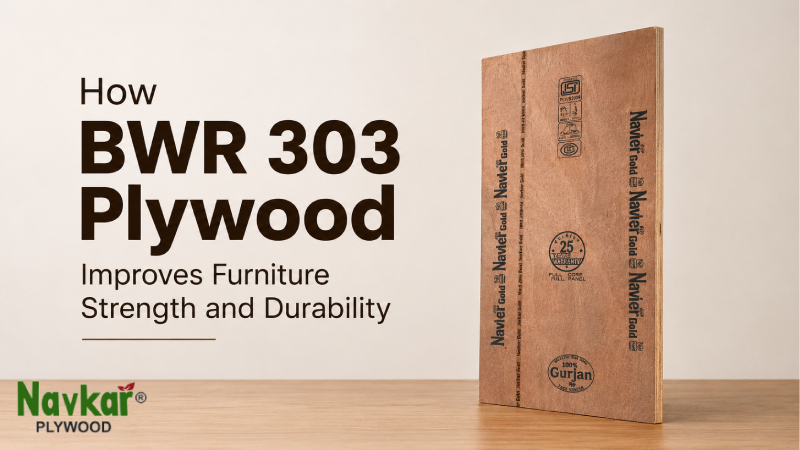
Quick Basics. What Even Is BWR Plywood?
A friend of ours did up his kitchen two years back. Spent serious money on it. Modular setup, soft close hinges, the works. Within fourteen months the lower cabinet doors started looking weird at the bottom. Slight bubbling. Then proper swelling. Then the laminate started peeling off one corner. Carpenter came back, opened it up, and the verdict was painful. Wrong plywood. The one used was basic commercial grade. Pretty enough on day one, but no real fight against moisture. This kind of story plays out in thousands of Indian homes every single year. And it’s exactly why BWR 303 Plywood exists. People keep asking us which plywood actually handles moisture without dying early, and the answer almost always lands here.
Key Takeaways
-
BWR 303 plywood is built to handle regular moisture exposure without warping or losing strength.
Its moisture-resistant construction makes it suitable for areas exposed to humidity and occasional water contact. -
It follows IS 303 standards which makes it a trusted grade for kitchens and humid areas.
Compliance with IS 303 standards ensures dependable quality and performance for interior applications where moisture resistance is important. -
The bonding uses BWR phenolic resin, which is what gives it that water-fighting ability.
The use of Boiling Water Resistant phenolic resin improves bonding strength and enhances durability against moisture-related damage. -
It’s a smarter middle option between basic MR plywood and expensive marine grade boards.
BWR 303 plywood offers a balanced combination of affordability, durability, and water resistance for residential and commercial interiors. -
Picking a reliable manufacturer matters more than the grade name printed on the sheet.
Product quality, raw materials, manufacturing standards, and supplier reputation play a major role in long-term plywood performance.
Quick Basics. What Even Is BWR Plywood?
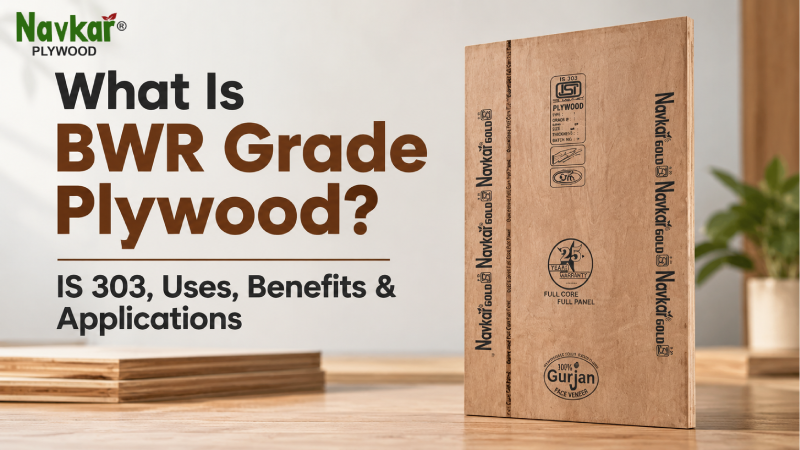
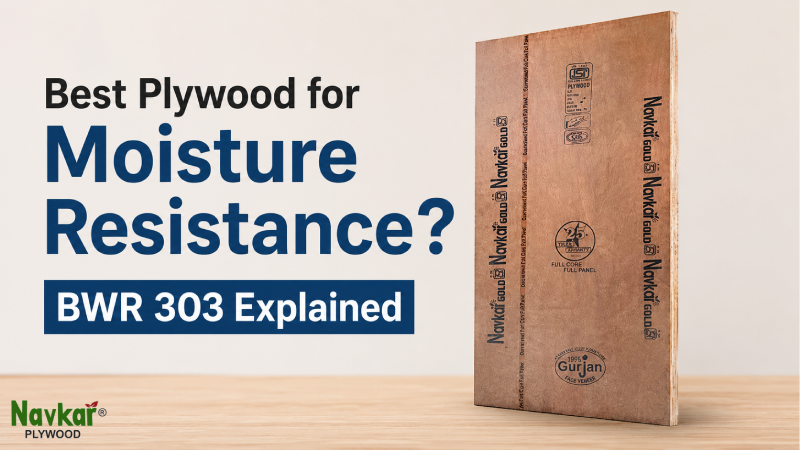
BWR stands for Boiling Water Resistant. The 303 parts comes from the Indian Standard code IS 303, which lays out the rules for general purpose plywood manufactured in India. So BWR 303 is basically a moisture resistant plywood made under proper Indian standards. The boards are bonded using BWR-grade phenol formaldehyde resin, which is the stuff that gives the plywood its ability to handle water exposure without falling apart.
When somebody hires a BWR Plywood Manufacturer, they’re usually planning a project where moisture is a real factor. Kitchens. Utility areas. Pantry zones. Spaces near washbasins. Or just any room in a humid coastal city where the air itself carries moisture year-round. This grade was made for exactly these situations.
How Is It Different from Regular MR Plywood?
A lot of buyers get confused between MR and BWR. Fair enough, because the names sound similar and shop owners often use them loosely. Here’s the simple truth.
MR Plywood means moisture resistant. It can handle some humidity in the air. Slight steam. The occasionally wet hand wiping it down. But if water actually sits on it for hours, MR will give up.
BWR Plywood goes a level higher. It can take direct water exposure for longer periods without the layers separating. Splashes during cooking, water dripping from a hand-wash, steam pouring out of a pressure cooker, all of this is what BWR is built for. And if you’re getting your boards from a serious BWR Plywood Manufacturer in Gujarat like Navkar Plywood, the consistency is something you’ll genuinely feel in the long run.
Where Does BWR 303 Truly Belong?
Now the practical bit. Where should you actually use this grade? Here’s how we usually explain it to customers walking into our office.
Kitchens are the obvious answer. Lower cabinets near the sink, shutters that take steam from cooking, drawers that hold half-wet utensils, all of this needs BWR. Utility rooms with washing machines come next. The water lines, the back walls behind the machine, the storage cabinets in that area, all good candidates. Pantry zones, mandir cabinets near washbasins, vanity units in dressing rooms, even bedroom wardrobe bottoms in coastal cities, BWR 303 makes sense everywhere.
It’s not really meant for furniture that goes underwater or stays wet round the clock. That’s where marine Grade BWP comes in. BWR sits comfortably in the middle, where most Indian homes actually live.
Why People Keep Picking BWR Over Other Grades
Here’s the honest reason. BWR 303 hits a sweet spot. It’s strong enough to handle real-world moisture, priced sensibly enough for full home interiors, and reliable enough that carpenters trust it across projects.
Marine grade is overkill for most homes. Spending that kind of money on every wardrobe and every cabinet doesn’t make sense for most families. Commercial grade is cheap, but you already know the story. BWR fills the gap perfectly. Smart homeowners get this within five minutes of explaining. Working with a known BWR Plywood Manufacturer also means you don’t have to second-guess the grade. The certifications and the actual product behave the same way.
What Makes a Good BWR Sheet Different from a Cheap One
This is where things get interesting. Two plywood sheets can both have BWR 303 stamped on them. Both can claim IS 303 standards. But the actual behavior after one year of use can be wildly different.
A few things that actually matter. The kind of resin used. The pressing temperature. The moisture content of the core layers. The number of plies and how they’re stacked. The quality of the timber is going into the core. Whether the sheet has been treated for borers and termites. All of these changes the final story.
A trusted BWR Plywood Manufacturer in Gujarat keeps tight quality control across all these stages. We at Navkar Plywood take this part seriously, because no homeowner deserves the kind of nightmare our friend went through with his kitchen.
What to Look for Before Buying BWR 303
Quick honest tips for anyone heading out to buy. Check the IS 303 marking on the sheet. Ask for the manufacturer’s name and details. Look at the edges. The plies should be tight, even, and clean. Tap the sheet. It should sound solid, not hollow. Lift it. Good BWR has decent weight to it because the timber and resin are both proper.
Also, ask for a small piece if possible and try the boiling water test at home. A genuine BWR 303 piece won’t delaminate even after being boiled for a few hours. Cheap fake BWR will give up much faster. This one test alone tells you most of what you need to know.
Where People Usually Go Wrong
The biggest mistake we see is buyers picking BWR purely on price. The cheapest sheet at the local market is rarely the real deal. Another common one is trusting whatever the shop owner says without checking the brand or the IS marking. Some sheets have fake stamps that look authentic until you look closely.
The third mistake is using BWR in places where it really isn’t enough. Like installing BWR in a fully wet bathroom area where water actually sits on the surface. That’s marine territory. Or going for commercial grade in a kitchen because someone said BWR is too expensive. That’s just delayed regret.
A reliable BWR Plywood Manufacturer will guide you on these calls instead of just selling whatever moves fastest off the shelf. We at Navkar Plywood spend genuine time helping customers pick the right grade for the right room.
A Smart Choice for Indian Climate
India is a tough country for materials. The summer heat dries everything out. Then the monsoon hit and humidity shoots through the roof. Then winter brings cool dry air. Wood-based products go through this stress cycle every year. Cheap plywood can’t keep up. BWR 303, when sourced from a serious BWR Plywood Manufacturer in Gujarat, handles this rhythm comfortably for years on end.
This is exactly why so many Indian homes that did the upgrade to BWR a few years ago are still going strong today, while neighbors who saved a few thousand on commercial grade are now redoing their kitchens.
Why Choose Us
At Navkar Plywood, we honestly take BWR 303 grade very seriously because we know what’s at stake when somebody puts this material into their kitchen or utility area. Every batch that goes out has been built with proper BWR phenolic resin, dense core layers, and tight pressing standards. We follow IS 303 specifications strictly, not just on paper but in actual production. Our team helps homeowners, carpenters, and contractors pick the right thickness and grade for their specific room rather than just pushing whatever’s in stock. We keep our pricing transparent, our stock fresh, and our advice straight. This is why so many of our customers across Gujarat keep coming back for every new project, kitchen, wardrobe, office, or shop. With Navkar Plywood, you’re working with a team that genuinely cares about how your interiors hold up five years from now.
Conclusion
BWR 303 plywood has earned its place as one of the smartest moisture-resistant choices for Indian homes, and once you understand the material properly, that reputation makes sense. It handles real-life moisture without the cost of marine grade, follows trusted Indian standards, and performs reliably for years when sourced from the right manufacturer. The trick really comes down to picking a maker who builds the boards properly instead of just printing a stamp on cheap sheets. Whether you’re redoing a kitchen, fitting out utility areas, or planning a humid-zone project, BWR 303 deserves a serious look. Navkar Plywood is here to make that choice simple, honest, and genuinely worth your money.
Want the right BWR 303 plywood for your kitchen or utility project? Call us at +91 9016787132 or email info@navkarplywood.in
Frequently Asked Questions
1. What does BWR 303 stand for in plywood? BWR means Boiling Water Resistant and 303 refers to IS 303, the Indian Standard code for general purpose plywood that this grade follows.
2. Is BWR 303 plywood good for kitchens? Yes, BWR 303 is one of the most popular choices for Indian kitchens because it handles steam, splashes, and daily moisture without warping or peeling.
3. How is BWR different from BWP marine plywood? BWR handles regular moisture exposure, while BWP is fully waterproof and used for fully wet zones, boats, and outdoor applications where water sits constantly.
4. How long does BWR 303 plywood last in normal use? With proper installation and from a trusted BWR Plywood Manufacturer, it lasts 12 to 15 years easily, often longer in well-maintained interiors.
5. Where can I find a reliable BWR plywood maker in Gujarat? Navkar Plywood is a trusted BWR Plywood Manufacturer in Gujarat offering IS 303 certified boards, proper resin bonding, and honest pricing for every project.