Key Takeaways
- Evaluate the core material of blockboards to ensure strength and suitability for your specific project.
- Check the grade of blockboards, as it directly affects their performance based on intended applications.
- Understand the importance of thickness options for different uses like shelves or doors in blockboard selection.
- Consider moisture resistance ratings in blockboards for environments with varying humidity exposure.
- Examine the manufacturing process for consistency and quality when choosing a reliable block board manufacturer.
Choosing the right board material can directly affect the strength, stability, and usability of furniture and interior projects. A reliable Block Board Manufacturer should offer consistent product quality along with specifications suited to your application. Before placing an order, it is important to look beyond appearance and check the core material, grade, thickness, manufacturing process, and intended use.
Understand the Core Material
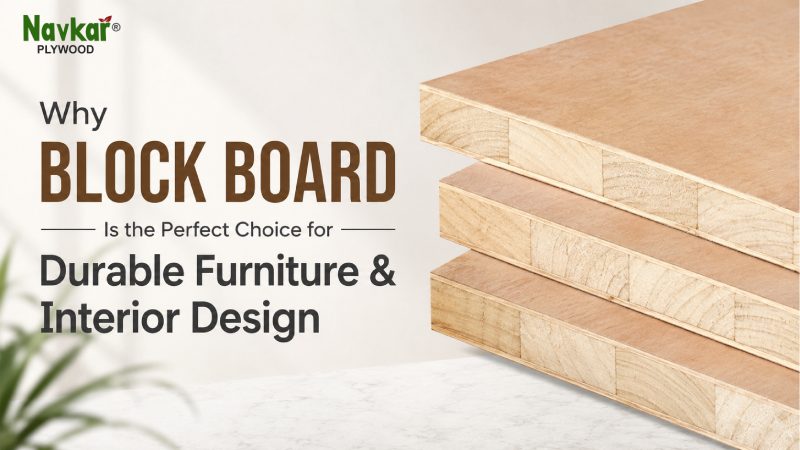
The core is one of the most important parts of a blockboard because it contributes to the board’s structure and performance. Blockboard is generally made using solid wood strips or battens placed between face veneers.
When evaluating a manufacturer, ask what type of wood is used for the core and how the material is prepared before manufacturing. Navkar’s product information describes blockboards made with seasoned wood cores and face veneers.
A properly specified core gives you a better basis for judging whether the board is suitable for your project.
Check the Grade and Product Specification
Grade is another important point when comparing blockboard manufacturers. Different projects may have different requirements depending on where the board will be installed and the level of moisture exposure involved.
For example, Navkar lists blockboard products with an IS:303 grade specification, while its product range also includes waterproof and BWR-grade blockboards.
Before buying, check the exact grade mentioned for the product rather than selecting a board only by its appearance or thickness.
Pay Attention to Thickness Options
Thickness should match the application, design, and structural requirements of the project. A board intended for a long shelf may have different requirements from one being used for a door, table, partition, or other furniture component.
Navkar’s listed blockboard products include 19 mm and 25 mm options, giving buyers choices based on their project requirements.
When comparing options, consider the following:
- Required thickness for the application
- Sheet size needed for the project
- Expected load and span
- Installation method
- Compatibility with the final design
Evaluate Moisture Resistance
Moisture exposure can be an important consideration, particularly for doors, partitions, furniture, and other applications where environmental conditions may vary. The appropriate product should be selected according to the level of moisture resistance required.
A manufacturer’s product description should clearly explain whether the blockboard is intended for standard interior use, BWR applications, or waterproof applications. Navkar’s published range includes both waterproof and BWR-grade blockboard options.
Do not select a board solely because it is described as strong; its moisture-related specification should also match the intended application.
Examine the Manufacturing Process
Manufacturing quality can influence the consistency of a finished board. When choosing a Block Board Manufacturer, look for clear information about how the wood is prepared, bonded, pressed, and finished.
Navkar states that its blockboard is made using seasoned solid wood cores with face veneers and describes bonding through resin and high-temperature, high-pressure pressing for its waterproof blockboard.
A manufacturer that provides clear technical details makes it easier for buyers to compare products on meaningful criteria rather than appearance alone.
Consider Screw Holding and Long-Span Applications
The application of blockboard is another factor that should guide your selection. Blockboard is commonly considered for long panels and furniture applications where stiffness and screw-holding capability are relevant.
Navkar describes its blockboard for applications such as long bookshelves, tables, benches, beds, settees, wall panels, doors, and other furniture.
For a project involving long shelves, shutters, doors, or extended furniture panels, discuss the application with the manufacturer before finalizing the product.
Verify the Product Details Before Ordering
A good buying decision should be based on documented specifications. Ask the manufacturer or supplier for the exact details of the product you are considering.
Use this simple checklist before confirming your requirement:
✔ Check the board thickness
✔ Verify the stated grade
✔ Confirm the core material
✔ Ask about moisture resistance
✔ Check available sheet dimensions
✔ Confirm the intended application
✔ Review the manufacturer’s product documentation
These checks can help you avoid selecting a board that does not match the technical requirements of your project.
Look for a Manufacturer With a Relevant Product Range
Your requirements may change from one project to another. A manufacturer offering different board categories can make product selection more practical because you can compare alternatives according to application.
Navkar Plywood lists blockboard along with plywood, doors, MDF, laminates, veneers, and hardware in its product range. This can be useful for buyers handling broader furniture or interior requirements.
The key is not simply to choose the manufacturer with the largest range, but to select one that can provide the specification appropriate for your particular application.
Compare Manufacturers on the Right Criteria
Before making your final decision, compare manufacturers using factors that directly relate to your project.
|
Selection Factor |
What to Check |
|
Core material |
Type and preparation of wood used |
|
Grade |
Exact product grade and application suitability |
|
Thickness |
Available options and project requirement |
|
Moisture resistance |
Standard, BWR, or waterproof specification |
|
Manufacturing |
Core preparation, bonding, and pressing process |
|
Applications |
Suitability for doors, furniture, shelves, and panels |
This approach makes the selection process more objective and helps you focus on product suitability rather than making a decision based only on brand name.
Why Choose Us
Navkar Plywood provides blockboard solutions with clearly listed product specifications, including thickness, grade, core material, wood type, and glue information. Its published blockboard range includes products in 19 mm and 25 mm thicknesses, while the company also presents waterproof and BWR-grade blockboard options for different requirements. We focus on giving buyers product information that helps them select the right board for their application.
Conclusion
Choosing the right Block Board Manufacturer requires more than checking the board’s surface appearance. Buyers should evaluate core material, grade, thickness, moisture resistance, manufacturing details, and suitability for the intended application. These factors are especially important when blockboard is being considered for doors, shelves, furniture, partitions, and long panels. By reviewing technical specifications carefully and discussing your application with the manufacturer, you can make a more informed purchasing decision. The right product specification can help your project achieve the required balance of strength, stability, and practical usability.
Need the right blockboard for your furniture, doors, or interior project? Contact Navkar Plywood today for product details and assistance with your requirement.
Call: +91 9016787132
Email: info@navkarplywood.in
Frequently Asked Questions
What factors should I consider when selecting a block board manufacturer?
Key factors include the core material, grade specifications, thickness options, moisture resistance, and manufacturing processes. These elements significantly impact the board’s performance and suitability for your specific project.
How does the core material affect the quality of block board?
The core material is crucial as it influences the board’s strength, stability, and durability. Solid wood strips or battens are commonly used, and selecting a manufacturer that uses seasoned wood can enhance the overall quality of the blockboard.
Is moisture resistance important when choosing a block board manufacturer?
Yes, moisture resistance is critical, particularly for applications exposed to varying environmental conditions, such as doors and furniture. You should verify if the block board is designed for standard, BWR, or waterproof usage to ensure it meets your project needs.
What specifications should I check before ordering block board?
Before placing an order, check the board’s thickness, grade, core material, moisture resistance, and intended application. This ensures that the block board meets the technical requirements necessary for your specific use case.
How can I compare different block board manufacturers effectively?
Comparing manufacturers can be done by assessing core material, grade, thickness options, moisture resistance, and manufacturing quality. Look for manufacturers that provide clear product specifications and have a relevant product range to suit your project requirements.